
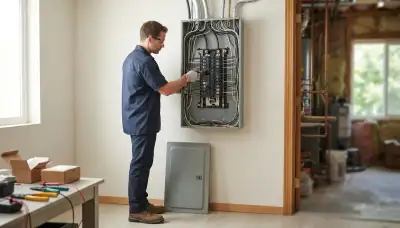
Homes in Stanford were built with panels sized for a much smaller load than what runs through them today, and homeowners often notice a breaker that will not reset or an outlet that runs warm. The electrical contractor in San Jose network supports local crews handling this work, along with related professional electrical panel upgrade requests.
These houses need someone who has actually opened their panels before, which is why homeowners here call a local electrician instead of a general handyman.
Why Local Knowledge Changes Electrical Work in Stanford
A local electrician working around Stanford knows how panels were placed, how circuits were split room to room, and where a fix that looks simple actually opens into a bigger job than expected.
Two kinds of work come up again and again: correcting circuits that trip under normal use and updating panels that no longer have room for anything new, work also requested by an electrical contractor in Mountain View, CA.
A problem left alone in the panel or wiring only grows more expensive to fix later.
Matching the Work to How Stanford Homes Are Built
A one-size approach fails here because the path from panel to outlet was never standard, and what looks like a quick swap can mean opening a wall or a ceiling to reach it.
Some Stanford homes sit over a crawlspace, some on a slab, and a few carry a detached garage or workshop wired separately, each changing how a crew reaches the work, alongside requests for quality ceiling fan installation.
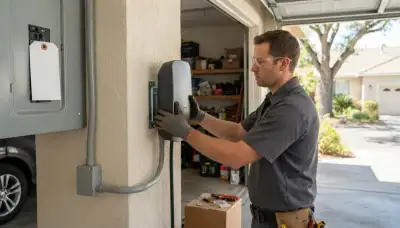
Four services fit these homes well: expert electrical panel upgrade, reliable GFCI circuits installation, specialists in generator installation, and quality outlet repair for rooms that still trip under normal use.
What the Age of Stanford Homes Still Decides Today
Many homes around Stanford went up in the years when panels were sized for lights and a few appliances, long before central air, computers, and car chargers became part of daily life. That original wiring still shapes what a house can safely run, what needs upgrading first, and how a job gets planned.
Panel Runs Out of Room
Homeowners notice a panel with no empty slots left, or breakers doubled up to make room for one more circuit. Behind it sits a panel sized decades ago for a fraction of what the house now runs, and left alone it forces unsafe workarounds.
Local electricians replace the panel with one sized for the home as it is used now, a fix also common for an electrical contractor in Sunnyvale, CA working nearby.
Outlets With No Ground Path
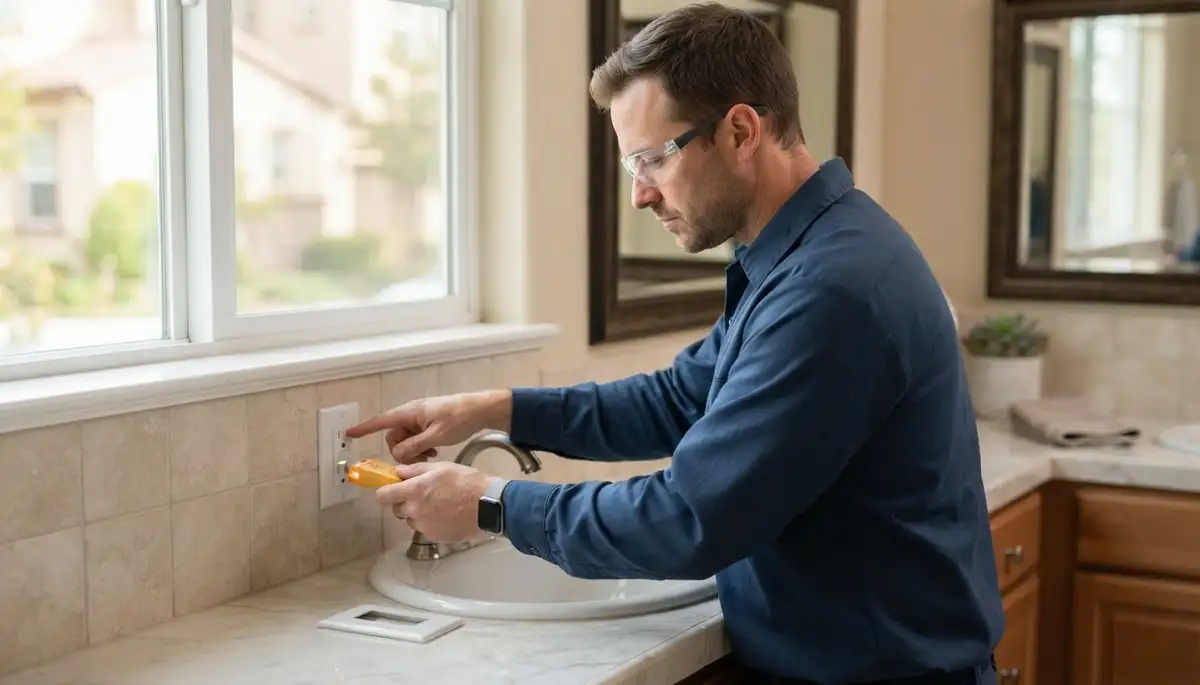
Two-prong outlets throughout the house and no reset buttons near sinks or counters point to wiring installed before grounding and GFCI protection were standard. This leaves appliances and people without a safe path if something goes wrong.
Electricians add grounded circuits and install the outlets with test and reset buttons where water is nearby, bringing the home in line with what modern appliances expect.
Warm Spots at the Wall
Years of use on connections built for lighter loads leave some outlets and switches warm to the touch, and lights on the same circuit sometimes dim or flicker without warning. That connection can no longer carry what is asked of it.
Correcting it means replacing the affected wiring and connections, which stops the heat buildup and steadies the lights that used to flicker.
Car Chargers Push Past the Limit
A car charger, pool pump, or added air conditioning draws more than the original service was ever sized for, and a hot stretch only makes that load heavier on the panel. The result is nuisance trips or a panel running near its limit daily.
Adding capacity through a panel upgrade or a dedicated circuit lets the homeowner run a charger, pump, and air conditioning together without watching the breaker box.
Tight Access Slows the Work
A panel tucked in a garage corner or an exterior wall with a narrow side yard can complicate how equipment and materials reach the work area. A long driveway sometimes adds another step to staging tools.
Electricians plan the route in advance and work in sections, keeping the disruption to one area of the home rather than spreading it through the house.
Call (408) 816-2211 to arrange a no-pressure visit with a local electrician who can walk the panel and wiring with you before anything is decided.
On Call Electrical keeps this work steady and built to hold up over time.

Complete Electrical Services Available in Stanford, CA
The list below covers the range of work available to homeowners here, from urgent repairs to planned upgrades, so you can find what matches your situation.
Urgent Electrical Repair Needs in Stanford, CA
- A breaker that will not stay reset
- An outlet that sparks or feels warm
- Flickering lights tied to one circuit
- A panel making a buzzing sound
- Smoke detectors going off without cause
Any of these calls for a same-visit look before the problem spreads further into the home.
Panel and Wiring Upgrades in Stanford, CA
- Replacing a fuse box with a modern panel
- Adding circuits for kitchen or laundry loads
- Rewiring rooms still on original wiring
- Upgrading service size for added appliances
- Installing a dedicated circuit for a car charger
These upgrades address wiring that was never meant to carry the load a household places on it today, correcting the mismatch at its source.
Safety and Protection Upgrades in Stanford, CA
- Installing the outlets with test and reset buttons near water
- Adding the newer breakers that catch arcing
- Whole home surge protection for sensitive electronics
- Smoke detector installation throughout the house
- Fire alarm installation tied to every level
Each of these addresses a risk a homeowner can picture clearly: a shock near a sink, a surge that fries a television, or a fire that spreads before anyone wakes, and each one is preventable with the right equipment in place.
Lighting and Outdoor Electrical Work in Stanford, CA
- Landscape lighting along walkways and yards
- Security lights at entries and dark corners
- Recessed lighting installation for updated rooms
- Pool pump and pool light circuits
- Programmable lighting controls for daily use
These additions reflect what todays households add onto a house built for a simpler set of demands, from outdoor entertaining to pool equipment that needs its own circuit.